
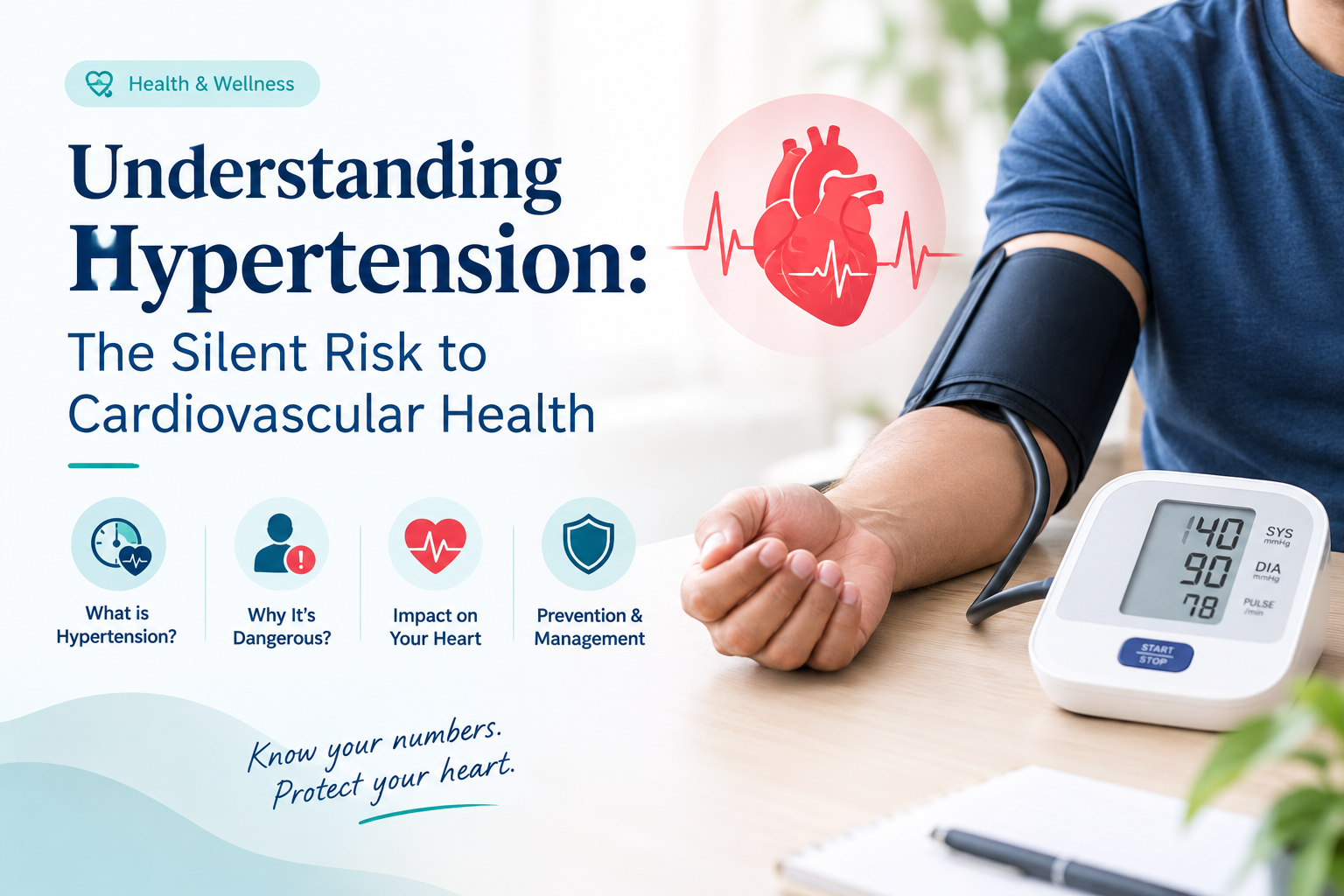
High blood pressure (hypertension) is one of the most widespread chronic cardiovascular conditions globally. Yet because it rarely produces overt early warning signs, many patients remain unaware of their elevated readings until complications arise.
What Exactly is Hypertension?
Blood pressure is the hydrostatic force exerted by circulating blood against the walls of the body's arterial system. When this pressure remains consistently elevated—typically defined clinically as 130/80 mmHg or higher—it places excessive physical strain on your blood vessels, heart muscle, kidneys, and delicate cerebral vessels.
Common Underlying Risk Factors:
1. High dietary sodium intake combined with insufficient dietary potassium.
2. Sedentary lifestyle and lack of consistent aerobic exercise.
3. Chronic emotional stress, which elevates circulating catecholamines.
4. Genetic predisposition and familial history of cardiovascular disease.
5. Inadequate sleep patterns or untreated obstructive sleep apnea (OSA).
When Should You Seek Immediate Medical Evaluation?
While everyday hypertension is often asymptomatic, hypertensive crises can produce severe morning headaches, blurred vision, chest tightness, or unexplained dizziness. If you encounter systolic readings above 180 mmHg or diastolic readings above 120 mmHg, emergency clinical intervention is mandatory.
Preventative Clinical Guidance:
- Maintain a balanced DASH-style dietary pattern rich in leafy greens, whole grains, and lean proteins.
- Limit sodium to less than 2,000 mg daily.
- Schedule periodic clinical screenings at your clinic rather than relying solely on erratic home measurements.
- Take prescribed anti-hypertensive medications consistently under qualified physician supervision.
Cardiovascular Health
Warning Signs of Coronary Artery Disease: When Every Minute Matters
Recognizing early ischemic cardiac pain versus benign muscle strain can preserve heart muscle vitality and prevent irreversible myocardial infarction.
Dr. Aravind Sharma
Read →